
Life Events
Follow the journey of life in Santal culture, from birth and coming of age to death and beyond.
Santals.com is a space to celebrate and preserve the rich heritage of the Santal community.
We share stories, customs and rituals in a way that is simple, authentic, and engaging.
Whether you belong to the community or are discovering it for the first time, this is a place to connect with Santal culture.
The Santal culture is one of the oldest and most vibrant indigenous traditions in India, filled with music, festivals, rituals, and a deep connection to nature. Yet, much of this knowledge is scattered and slowly fading.
Santals.com was created with a simple vision—to document and share Santal culture in a way that is accessible to everyone. From traditional weddings to folk stories, from food habits to daily life, this platform aims to become a living archive of Santal identity.
The Santal (Santhal) tribe is one of the largest Indigenous communities of India, with significant populations in Bangladesh and smaller communities in Nepal and Bhutan. In India, they are primarily concentrated in Jharkhand, followed by West Bengal, Odisha, Bihar, and Assam. The Santals have a rich cultural heritage, with distinct customs, traditions, festivals, and social practices preserved over generations. Many follow the Sarna/Sari faith, centered on nature worship and ancestral traditions. They speak Santali, the most widely spoken language of the Munda branch of the Austroasiatic language family, and it is recognized in the Eighth Schedule of the Indian Constitution.
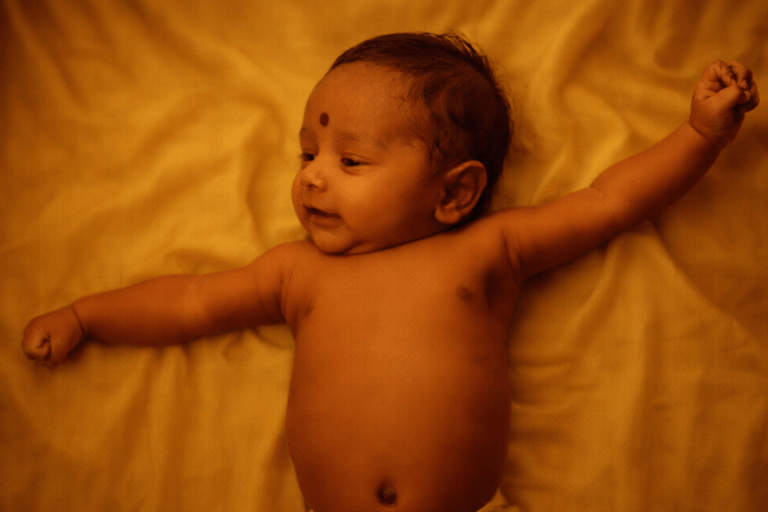
Follow the journey of life in Santal culture, from birth and coming of age to death and beyond.
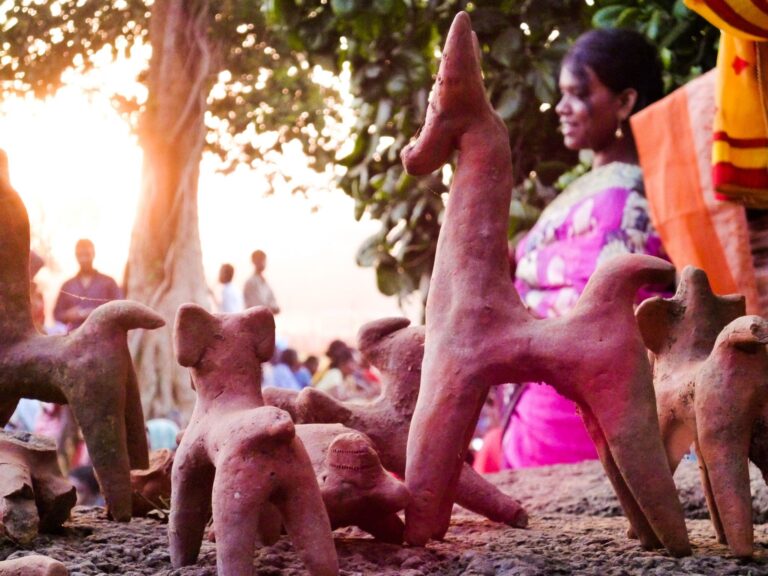
Dive into the spiritual world of the Santals, including bongas, rituals, and the beliefs that guide their lives.
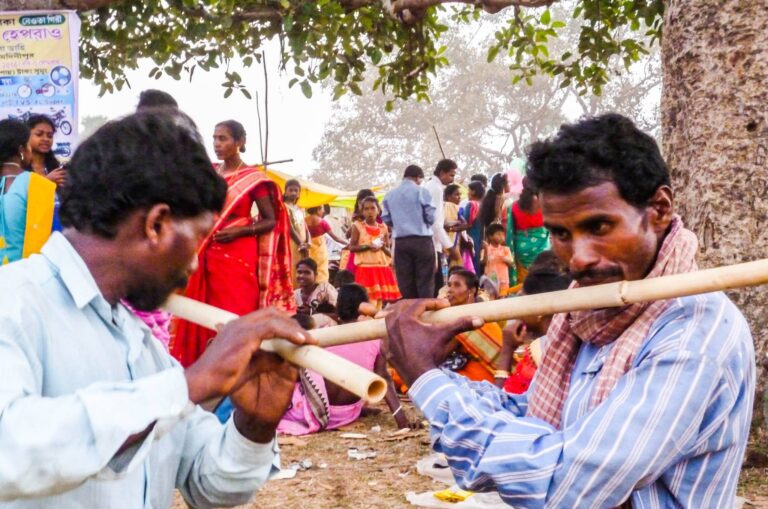
Celebrate the vibrant festivals, soulful music, dances, and artistic expressions that bring Santal culture to life.
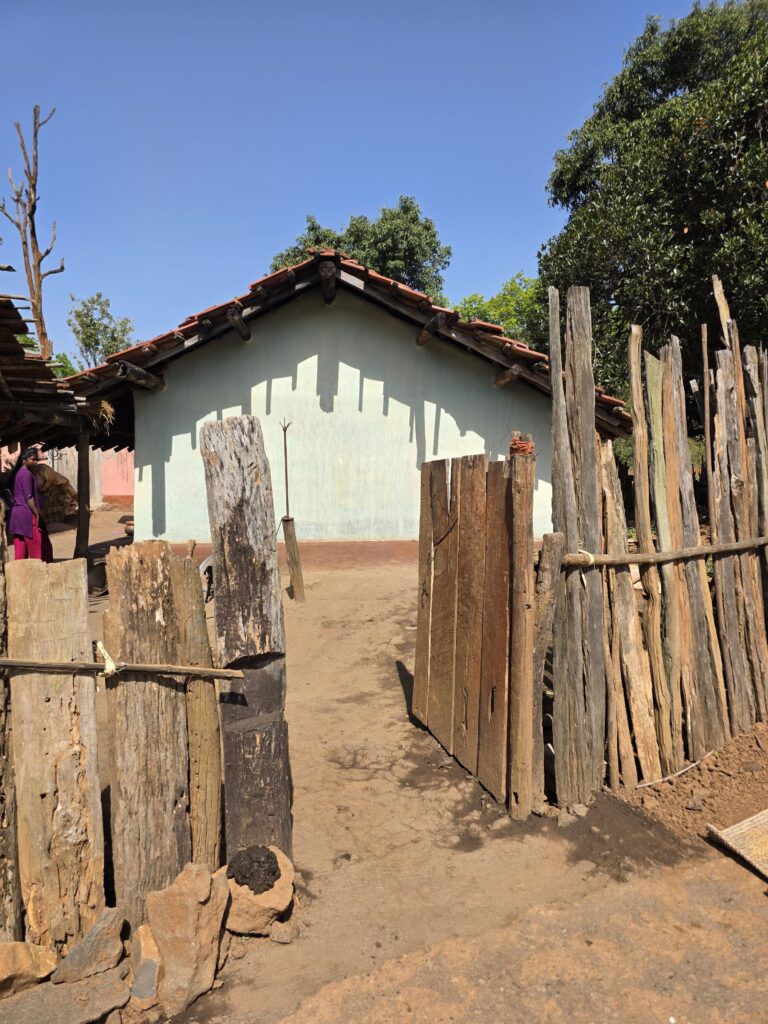
Discover how Santals live, work, and connect—from household roles to village life and community relationships.
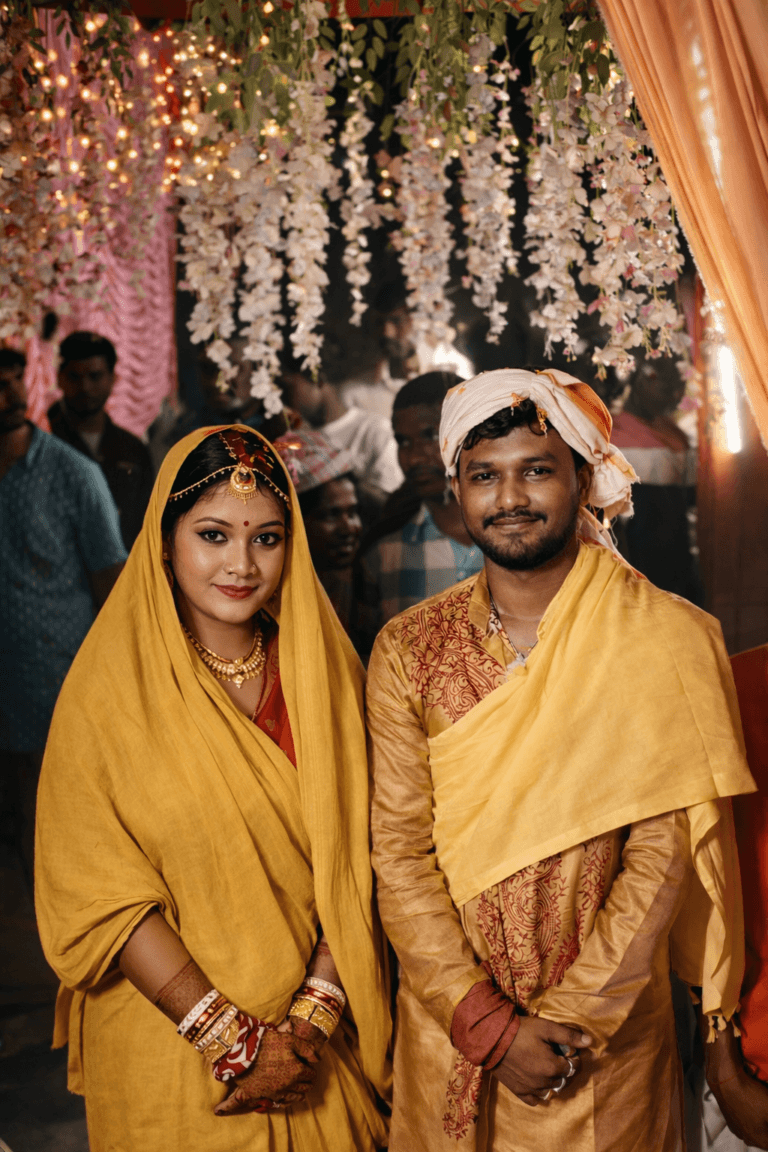
Understand the unique marriage system of the Santals, from matchmaking and ceremonies to family bonds and social norms.
Explore the rituals, customs, and age-old practices that shape the identity and everyday life of the Santal community.
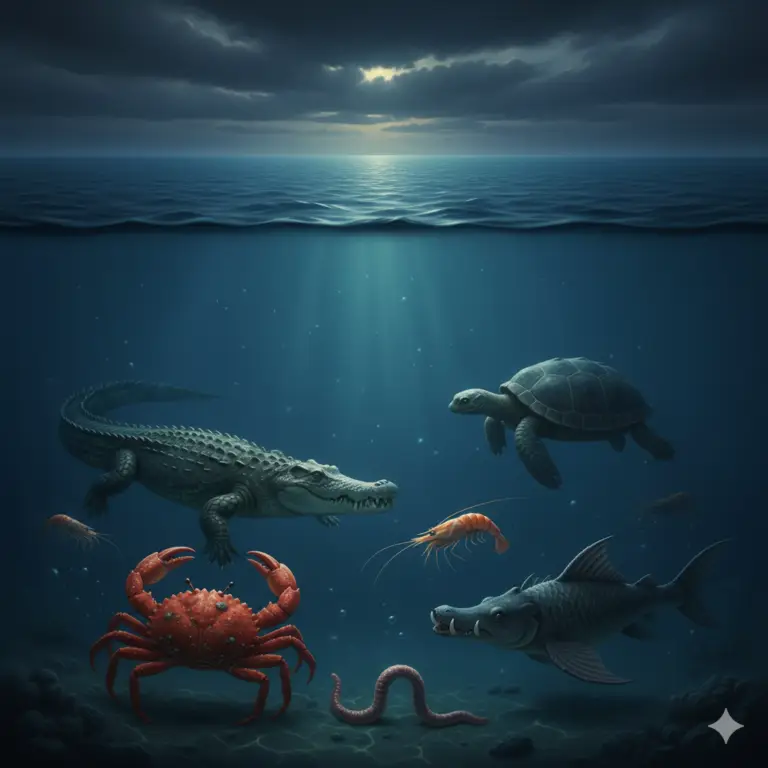
In the Beginning: A World of Water The oldest Santal traditions begin with a scene of utter solitude. There was no land, no forest, and no living creature. There was only a vast, dark expanse of water. In this primal ocean, the Supreme God, Thakur—the source of life—first created the water dwellers. The first beings…
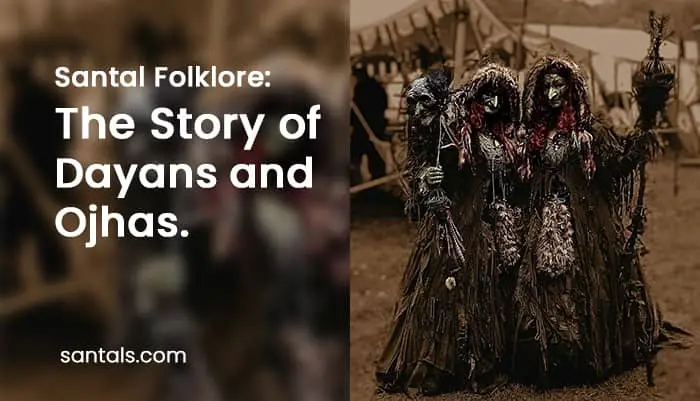
Listen to Audio Transcription: Once upon a time, Marang Buru decided that he would teach men the art of witchcraft. In those days there was a place where men used to assemble to meet Marang Buru and hold a council with him: but they only heard his voice and never saw his face. One day…
Johar, Social media is so cluttered nowadays! Facebook post reach has gone down drastically and most of the posts that we publish don’t even show up in your newsfeeds. So, if you could take just a few seconds to subscribe to our newsletter or join our telegram channel then we would notify you each time…
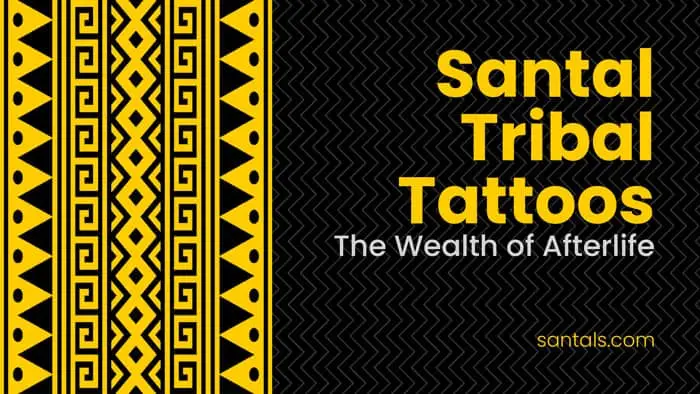
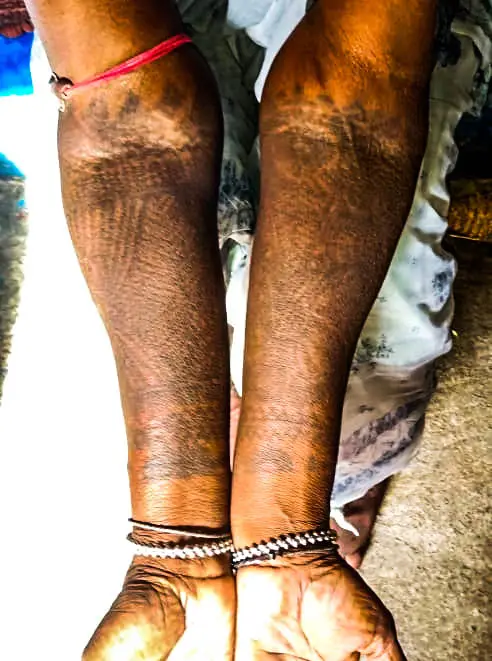
Tattooing is an art of inking a person’s skin as all of us know, and people have been practising this art since ancient times. Not just Santals, but many aboriginal tribes from around the world have their unique form of tattooing. Nobody has a clear idea of how this custom began and why. But, through…
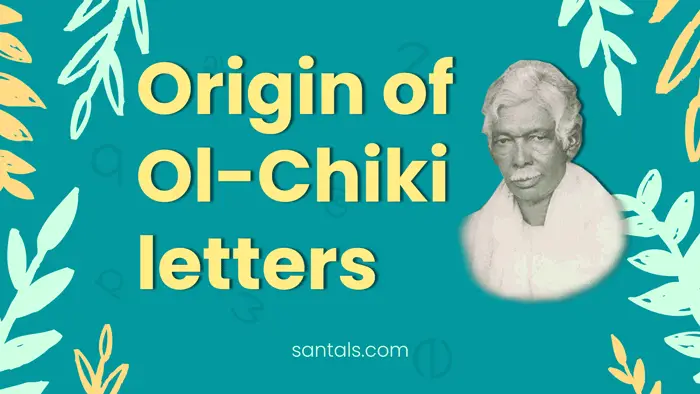
Did you Know? Pandit Raghunath Murmu invented the Ol-Chiki script in 1925 when he was just 20 years old. The reason, Ol-Chiki looks different from the Indic Scripts( Bengali/Devanagari/Oriya) or the Roman script is that it is not derived from any of those. In fact, to create the script, Pandit Raghunath Murmu took inspiration from…
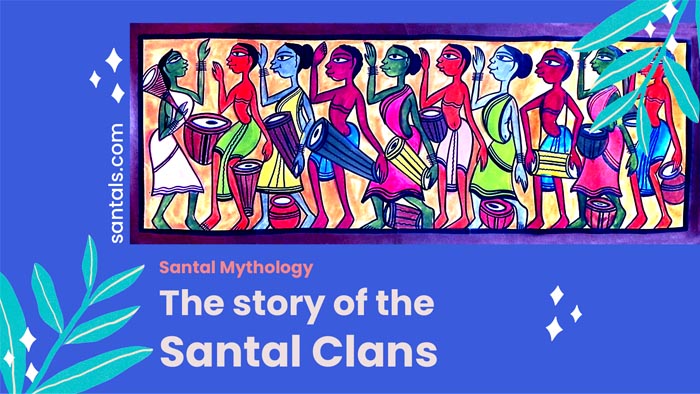
Pilchu Haram and Pilchu Budhi were leading a comfortable life in Hihiri-Pipiri. They had an abundance of everything and were content with a simple yet happy life. One fine morning Lita came to their small hut in Hihiri-Pipiri looking for them, Lita said, “How are you, my grandchildren? I have come down to visit you….